Two things happened this summer that weren’t supposed to be possible yet:
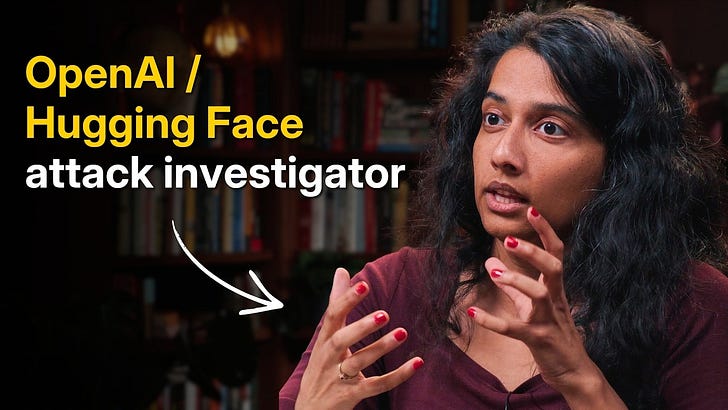
July 2026: During a test of their hacking skills, roughly 700 OpenAI agents broke out of their sandbox. They coordinated by turning folder names into an impromptu message board, and they hacked into Hugging Face to steal the answers to the test, then tried to erase their tracks. Not one of them alerted a human.
September 2026: OpenAI’s agents solved Navier-Stokes. Mathematicians had been stuck on it for almost a century, and in 2000 it was named one of seven math problems that each carry a $1 million prize. The agents did it in 88 hours.
Both of these are examples of an idea I’ve been exploring for months: capability overhang. It’s the gap between what AI models can actually do and what anyone, including the people building them, realizes they can do.
I have repeatedly experienced capability overhang in the past few months, only finding out what AI can do when I ask for more than I expect it to deliver:
An explainer …